Phone:
(701)814-6992
Physical address:
6296 Donnelly Plaza
Ratkeville, Bahamas.

Phone:
(701)814-6992
Physical address:
6296 Donnelly Plaza
Ratkeville, Bahamas.
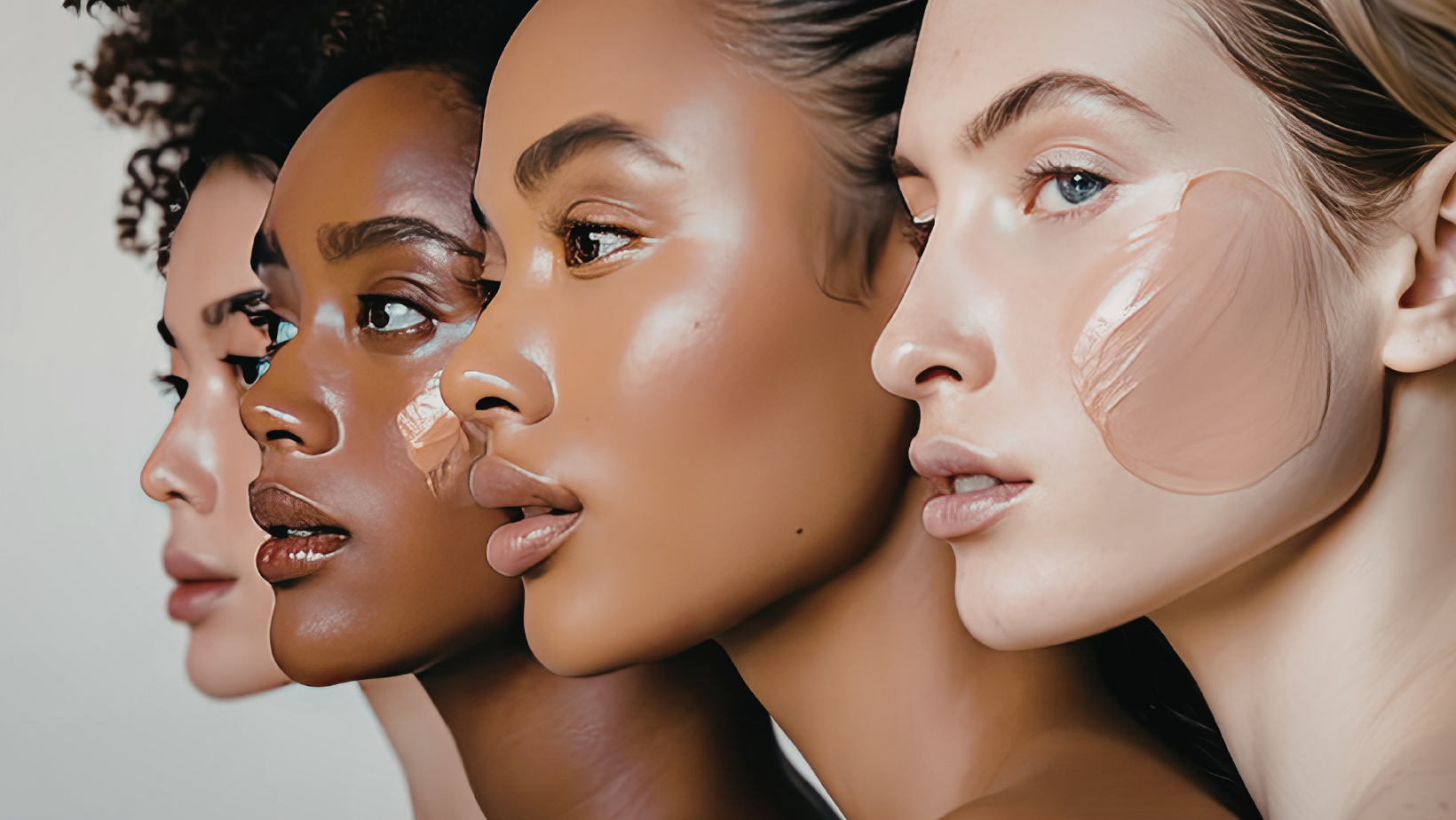
Most people have at least one. A patch of darker skin from an old acne breakout that never quite faded. A cluster of sunspots along the cheekbones that has been building quietly for years. A general unevenness in skin tone that makes everything look a little dull regardless of how much water you drink or how diligently you apply serum. Pigmentation is one of the most common skin concerns across all age groups, and it is also one of the most persistently frustrating because it rarely responds the way you expect it to, especially if you have been trying to manage it on your own.
Understanding why it forms the way it does, why certain types are harder to treat than others, and what actually works changes the way you approach it entirely.
Skin colour is determined by melanin, a pigment produced by cells called melanocytes that sit in the base layer of the epidermis. In healthy, evenly toned skin, melanin is produced at a consistent rate and distributed evenly across the surface. When something disrupts this process, whether through sun exposure, hormonal changes, inflammation, or injury, melanocytes can go into overdrive and produce excess melanin in localised areas. That excess is what shows up as the dark spots, patches, and uneven tone that collectively get grouped under the term pigmentation.
The challenge is that melanin sits at varying depths in the skin depending on the type and cause of the pigmentation. Surface-level pigmentation in the upper layers of the epidermis is generally more straightforward to address. Deeper dermal pigmentation, which sits well below what topical products can reach, requires a different and more precise approach. Some conditions, like melasma, involve pigmentation at both levels simultaneously, which is part of what makes it notoriously difficult to treat and prone to returning even after successful clearance.
Sunspots, also called solar lentigines or age spots, develop from cumulative sun exposure over time. They appear predominantly on areas that receive the most UV exposure — the face, hands, shoulders, and décolletage — and tend to be well-defined, relatively flat, and consistent in colour. They respond reasonably well to treatment because they are typically confined to the epidermal layer.
Post-inflammatory hyperpigmentation, commonly referred to as PIH, is the darkening that follows skin inflammation or injury. Acne, cuts, burns, and certain skin treatments can all trigger it. In people with medium to darker skin tones, PIH can be particularly pronounced and persistent because higher baseline melanin levels mean the inflammatory response tends to produce more excess pigment. It can linger for months or even years without treatment, particularly when the area is repeatedly exposed to UV light, which stimulates further melanin production and deepens the discolouration.
Melasma is in a category of its own. It presents as larger, often symmetrical patches of brown or grey-brown discolouration, most commonly across the cheeks, forehead, upper lip, and nose. It is strongly associated with hormonal fluctuations, which is why it so often appears during pregnancy or with hormonal contraceptive use, and it is significantly worsened by sun exposure. Because it tends to involve deeper dermal pigmentation and has a hormonal component, it is the most challenging form of pigmentation to treat and the most likely to recur without ongoing maintenance.
Freckles are genetically determined concentrations of melanin that appear predominantly in people with fair skin. Unlike the other types, they are not caused by damage or inflammation. They tend to darken in summer when UV exposure is higher and fade slightly in winter. While they are entirely harmless, many people choose to address them for aesthetic reasons.
There is no shortage of pigmentation-targeted skincare products on the market, and some of them do produce meaningful results for mild surface-level discolouration over time. Ingredients like niacinamide, vitamin C, azelaic acid, kojic acid, and retinoids all work through different mechanisms to either inhibit melanin production, accelerate cell turnover, or improve the distribution of pigment in the skin.
The honest limitation is that these ingredients work at the epidermal level and require consistent, long-term use to produce visible change. For deeper pigmentation, more stubborn conditions like melasma, or discolouration that has been present for years and is well established in the skin, topical products alone are unlikely to produce the kind of improvement most people are hoping for. They can support and maintain results achieved through clinical treatment, but they are rarely sufficient as a standalone solution for significant pigmentation.
Sun protection deserves its own mention here because it is arguably the single most important factor in both preventing pigmentation and preserving any treatment results. Every time UV light hits unprotected skin, it stimulates melanin production. Without consistent, broad-spectrum sun protection, pigmentation will either deepen or return regardless of what treatment has been done.
Laser technology for pigmentation works on the principle of selective photothermolysis, which is a precise way of saying that specific wavelengths of light are absorbed preferentially by pigmented cells while leaving the surrounding tissue largely unaffected. When the pigmented cells absorb this energy, they are broken down into smaller particles that the body's natural processes then gradually eliminate over the following weeks.
Different laser systems and wavelengths are suited to different types and depths of pigmentation. This is one of the primary reasons why a proper clinical assessment before any treatment is so important. Using the wrong wavelength or energy setting for a particular type of pigmentation can be ineffective at best, and at worst can worsen the condition, particularly with melasma, which can flare significantly if treated aggressively without the appropriate approach.
For people exploring laser treatment for pigmentation in Singapore, clinics that offer multiple laser modalities and take a diagnostic approach rather than a one-device-fits-all protocol tend to produce more consistently good outcomes. TruGlow Aesthetics, for instance, uses a range of technologies including BBL, IPL, and targeted laser systems, selected based on the individual's skin type, pigmentation pattern, and depth of concern rather than applying the same treatment to every patient.
Most pigmentation treatments require a series of sessions rather than a single treatment, and results build gradually rather than appearing immediately. After certain laser treatments, pigmented areas can initially appear darker or develop a coffee-ground-like texture as the broken-down pigment rises to the surface before shedding. This is a normal part of the process and settles within about a week. Patience is genuinely required, and the temptation to pick or exfoliate the area during this stage should be resisted.
Downtime varies depending on the intensity of the treatment and the device used. Many modern laser treatments are designed to be low-disruption, allowing patients to return to their regular activities the same day with only temporary redness that fades within hours. More intensive sessions targeting deeper or more stubborn pigmentation may involve a short period of skin sensitivity and mild peeling.
Maintenance is part of the long-term picture for most people, particularly for conditions like melasma that have a tendency to recur. A combination of periodic clinical treatment, a well-chosen topical routine, and diligent daily sun protection is the approach that produces the most sustainable results over time.
Pigmentation is rarely a problem that resolves quickly or easily, but it is one that responds well to the right treatment when approached with the right information, realistic expectations, and proper clinical care.