Phone:
(701)814-6992
Physical address:
6296 Donnelly Plaza
Ratkeville, Bahamas.

Phone:
(701)814-6992
Physical address:
6296 Donnelly Plaza
Ratkeville, Bahamas.
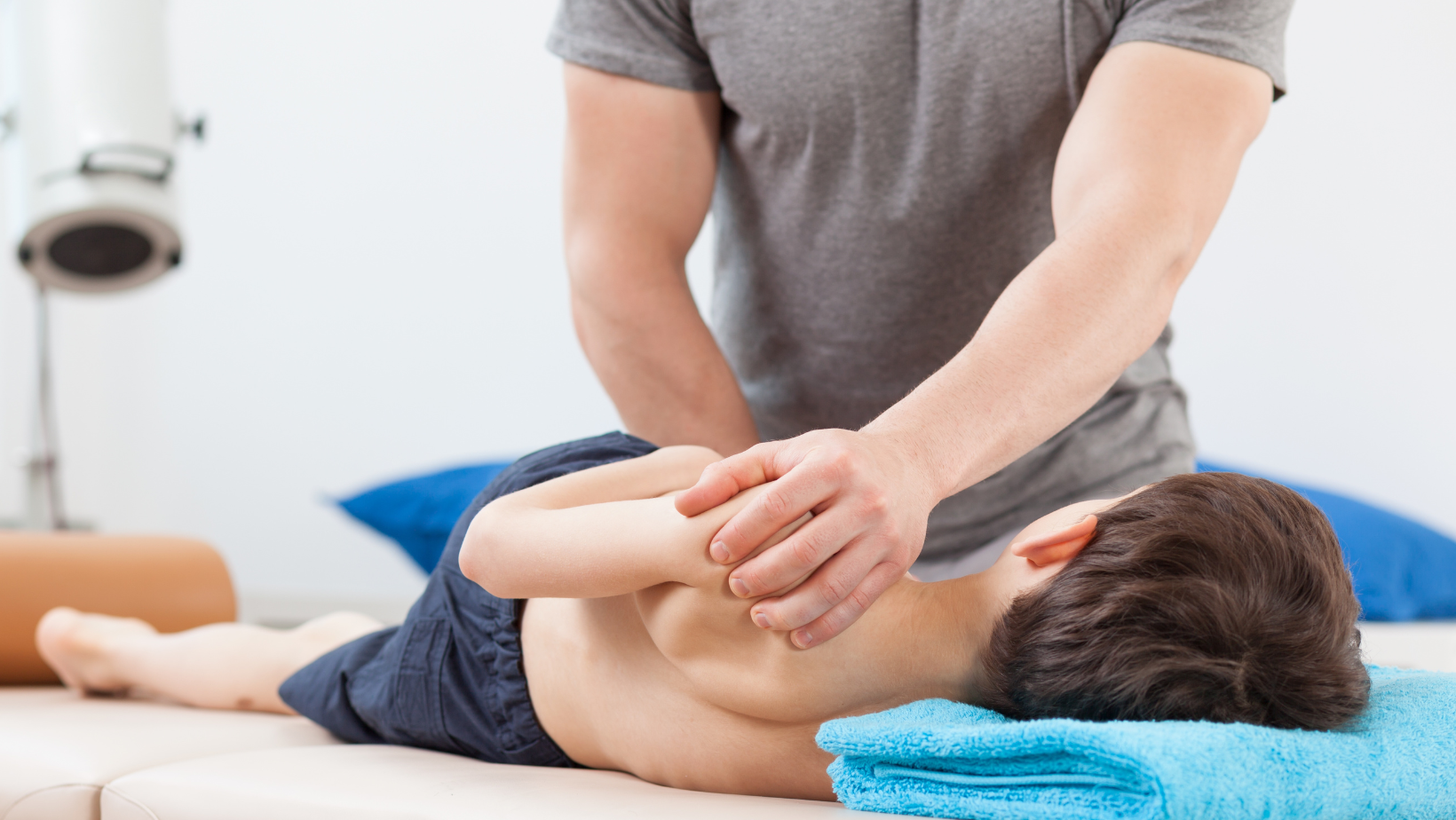
In today’s fast-paced environment, physical health often takes a back seat due to long working hours, sedentary lifestyles, and increased stress levels. Over time, this can lead to issues such as chronic pain, reduced mobility, and a higher risk of injury. Physiotherapy has emerged as an effective solution to address these concerns, helping individuals recover, strengthen their bodies, and maintain long-term well-being.
Whether it’s recovering from an injury, managing pain, or improving physical performance, physiotherapy provides a structured and personalised approach that focuses on both treatment and prevention.
Physiotherapy is a healthcare discipline that focuses on restoring movement and function when someone is affected by injury, illness, or disability. It involves a combination of manual therapy, exercise, and education to help patients regain strength and mobility.
Rather than just treating symptoms, physiotherapy aims to identify the root cause of the problem. This approach ensures that recovery is not only faster but also more sustainable in the long term.
Physiotherapy is widely used to treat a variety of conditions, including:
By addressing these issues early, individuals can prevent them from becoming more serious and affecting their daily lives.
One of the key aspects of effective physiotherapy is personalisation. Each individual has unique physical conditions, lifestyle habits, and recovery goals. A tailored treatment plan ensures that therapy is aligned with the patient’s specific needs.
Physiotherapists typically conduct a detailed assessment before creating a plan. This may include analysing movement patterns, identifying muscle imbalances, and understanding the patient’s medical history. Based on this, a structured programme is developed to guide recovery.
Modern physiotherapy incorporates a wide range of techniques to achieve optimal results. These include:
These techniques work together to restore function and improve overall physical performance.
Physiotherapy offers numerous benefits that go beyond immediate recovery. Some of the key advantages include:
These benefits make physiotherapy an essential part of maintaining a healthy and active lifestyle.
Both active individuals and those with sedentary lifestyles can benefit from physiotherapy. Athletes often use it to recover from injuries and improve performance, while office workers rely on it to address posture-related issues and muscle stiffness.
Regular physiotherapy sessions can help maintain physical balance, reduce strain on the body, and improve overall quality of life.
Selecting the right clinic is crucial for achieving effective results. Factors such as experience, treatment approach, and availability of personalised care should be considered. A good clinic will focus on long-term recovery rather than just short-term relief.
For those exploring reliable options, services like physiotherapy clinic in Singapore provide structured programmes designed to address pain, improve mobility, and support recovery through professional guidance.
Physiotherapy is not just about recovery—it is about building a stronger and more resilient body. By improving posture, strengthening muscles, and enhancing flexibility, individuals can reduce the risk of future injuries and maintain better overall health.
It also encourages individuals to take an active role in their well-being, promoting habits that contribute to long-term physical fitness.
Physiotherapy plays a vital role in modern healthcare by offering effective, non-invasive solutions for pain management and recovery. With a focus on personalised care and long-term results, it helps individuals regain confidence in their movements and improve their quality of life.
By investing in the right treatment and maintaining consistency, anyone can achieve better physical health and enjoy a more active, pain-free lifestyle.